
How is the account Cash Short and Over used?

By fostering a culture of continuous improvement and accountability, businesses can normal balance minimize the likelihood of cash handling errors. Moreover, employees who are well-trained and confident in their roles are less likely to make mistakes, contributing to a more secure and efficient cash management system. The final piece in the puzzle of managing cash over and short is the investment in comprehensive training programs for employees. Effective training equips staff with the knowledge and skills necessary to execute cash transactions accurately and to respond appropriately when discrepancies occur. It should cover the proper use of cash registers, the importance of double-checking transactions, and the procedures for reporting anomalies. Role-playing scenarios and hands-on exercises can enhance the learning experience, making it more likely that employees will retain the information and apply it in real-world situations.
Income Statement
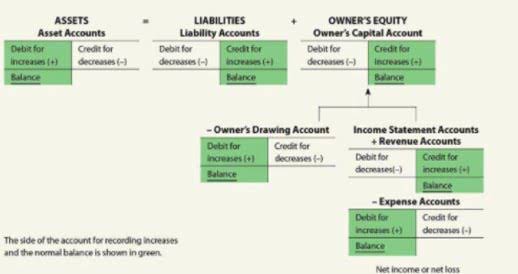
The account Cash Short and Over provides a way to monitor employees’ cash handling proficiency. When a cash discrepancy arises, a thorough investigation is imperative to unearth the root cause and prevent recurrence. The initial focus typically centers on the most recent transactions, as these are often where errors occur. It’s important to approach this inquiry with an open mind, considering all possible sources of error, from unintentional mistakes to deliberate acts of theft.
Is cash short and over an expense account?
- Cash shortages are recorded in a separate income statement expense account usually known as the cash short or over account.
- The reason for replenishing the fund at the end of the accounting period is that no record of the fund expenditures is in the accounts until the check is written and a journal entry is made.
- The journal entry to record this sale would debit cash for $101, credit sales for $100, and credit cash over short for one-dollar.
- Let’s assume Tom rang up a $100 pair of running shoes for $100, but he miscounted the cash received for the shoes.
- If a company has a cash short situation, which is more common, the amount it is short will reduce the company’s net income and its cash balance in the general ledger.
- The final piece in the puzzle of managing cash over and short is the investment in comprehensive training programs for employees.
A negative result represents a cash short amount, while a positive number represents a cash over amount. is cash short and over an expense account Therefore, the balance of cash short and over is on debit or credit depends on whether it is shortage or overage. In case of shortage, the cash over and short is on debit and vice versa. In contrast, the cash over and short is recorded on credit when there is overage. The shortage journal entry is one of many bookkeeping entries used in accounting, discover another at the links below.
Cash Over and Short Journal Entry
When a disbursement is made from the fund, a receipt should be placed in the petty cash box. At any point in time, the receipts plus the remaining cash should equal real estate cash flow the balance of the petty cash fund (i.e., the amount of cash originally placed in the fund). However, the company still needs to account for the cash overage or shortage with a proper journal entry in order to match the balance on the debit with the balance on the credit in the accounting system.

Petty cash funds

By assigning the responsibility for the fund to one individual, the company has internal control over the cash in the fund. Once a discrepancy is detected, the next step is to reconcile the difference. This task typically falls to accounting personnel who must scrutinize transaction records, including sales receipts, refund documentation, and deposit records. They may also review surveillance footage or electronic transaction logs if available. The goal is to trace the origin of the discrepancy, whether it’s a simple cashier error or a more complex issue like misrecorded sales.

